Internet Computer (ICP) is one of the most ambitious blockchain projects ever developed. While many cryptocurrencies focus on transferring digital assets or supporting decentralized finance applications, Internet Computer was designed with a much broader objective. Its creators aim to transform how internet services are built and hosted by replacing centralized cloud infrastructure with a decentralized blockchain network.
The project is powered by the Internet Computer Protocol, which allows developers to deploy websites, business applications, social platforms, blockchain games, and financial services directly on the network. Instead of relying on servers operated by companies such as Amazon Web Services, Microsoft Azure, or Google Cloud, applications can run on independent data centers distributed across multiple countries.
The native cryptocurrency, ICP, plays an essential role in the ecosystem. It is used to govern the protocol, pay for computational resources, reward network participants, and support the long term operation of decentralized applications. As blockchain technology continues to evolve beyond digital payments, Internet Computer represents one of the most comprehensive attempts to build a decentralized version of the modern internet.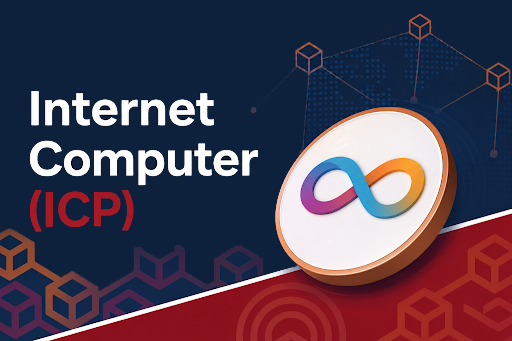
Using Cryptocurrency for Digital Purchases at Baxity Store
Cryptocurrencies have become more than investment assets. Today, they are increasingly used as a practical payment method for digital goods and online services. One of the simplest ways to spend digital assets is by purchasing products that can be redeemed immediately, such as gift cards, prepaid payment solutions, and gaming credits. This approach allows users to benefit from cryptocurrency without navigating complex decentralized applications or blockchain specific workflows.
Baxity Store is a digital marketplace designed to simplify this process. The platform enables customers to use supported cryptocurrencies to purchase a wide selection of digital products from globally recognized brands. After completing a transaction, users receive their digital codes instantly, making it possible to activate subscriptions, top up gaming accounts, or pay for online services within minutes.
In addition to gift cards and gaming products, Baxity Store offers various prepaid cards and crypto related vouchers that can be used across different digital payment ecosystems. These products provide additional flexibility for users who want to convert digital assets into practical purchasing power for everyday online spending. By combining secure cryptocurrency payments with fast digital delivery, Baxity Store helps bridge the gap between blockchain technology and convenient real world use cases.
What Is Internet Computer (ICP)?
Internet Computer is a public Layer 1 blockchain developed to provide decentralized computing infrastructure for the next generation of internet applications. Unlike conventional blockchains that primarily record transactions or execute relatively simple smart contracts, Internet Computer is capable of hosting complete software systems entirely on chain. This includes backend logic, data storage, web interfaces, and application services that traditionally require centralized servers.
The project was created by the DFINITY Foundation, a nonprofit organization established by computer scientist Dominic Williams in 2016. After several years of research involving cryptography, distributed systems, and blockchain engineering, the Internet Computer mainnet was officially launched in May 2021. Since then, the ecosystem has continued to expand with decentralized finance protocols, NFT marketplaces, blockchain games, identity solutions, developer tools, and enterprise applications.
The long term vision behind Internet Computer is to create an internet where applications are owned and operated by decentralized networks rather than individual companies. Instead of depending on cloud providers that control the underlying infrastructure, developers can deploy software directly onto the blockchain, allowing applications to benefit from transparency, censorship resistance, and decentralized governance.
This approach makes Internet Computer fundamentally different from most blockchain platforms. Rather than competing only as another cryptocurrency network, it aims to become an alternative computing platform capable of supporting a wide variety of digital services.
How Does Internet Computer Work?
Internet Computer combines blockchain technology with distributed computing to create an environment where decentralized applications can operate without centralized hosting providers. Instead of storing data and executing software on servers owned by a single company, the network distributes these tasks across independently operated data centers that work together through a common protocol.
The foundation of the ecosystem is the Internet Computer Protocol. This protocol coordinates communication between thousands of nodes, validates transactions, executes smart contracts, and manages data across multiple subnet blockchains. Users interact with what appears to be a single blockchain, while the protocol automatically distributes workloads across different parts of the network to improve scalability and performance.
A major innovation introduced by Internet Computer is the use of canisters. These are advanced smart contracts that combine executable code with persistent storage inside a single unit. Traditional decentralized applications often rely on external databases or cloud services to store information, while canisters allow both application logic and data to remain entirely within the blockchain environment. This significantly reduces dependence on centralized infrastructure.
Network governance is managed through the Network Nervous System, commonly known as the NNS. This automated governance mechanism allows ICP holders to participate in protocol decisions by locking their tokens into voting accounts called neurons. The NNS is responsible for approving protocol upgrades, managing economic parameters, adding new node providers, and coordinating many technical aspects of the network without requiring centralized administration.
Another important component is the cycle model used to power applications. Rather than charging users a transaction fee every time they interact with a decentralized application, developers convert ICP into computational resources called cycles. These cycles pay for processing power, data storage, and network operations. As a result, many applications built on Internet Computer can offer a user experience that feels closer to traditional websites while remaining fully decentralized.
Together, these technologies allow Internet Computer to support a much wider range of applications than many earlier blockchain networks. Developers can build everything from decentralized social media platforms and financial services to enterprise software and fully functional websites that operate entirely on blockchain infrastructure.
What Is ICP Used For?
The ICP token is the economic foundation of the Internet Computer ecosystem. It performs several essential functions that support governance, application development, network security, and infrastructure maintenance. Unlike cryptocurrencies that primarily serve as payment assets, ICP was designed to support every major component of the blockchain’s operation.
The token has several primary use cases:
- Participating in governance by locking ICP into neurons and voting on protocol proposals.
- Paying for computational resources by converting ICP into cycles that power decentralized applications.
- Rewarding node providers that supply computing infrastructure to the network.
- Staking tokens to receive governance rewards.
- Supporting decentralized applications and services built on Internet Computer.
Each of these functions contributes to the long term sustainability of the ecosystem. Governance encourages community participation, cycles provide a predictable way to fund application execution, and infrastructure rewards motivate independent operators to continue expanding the network. Together, these mechanisms create an economic model that supports both developers and network participants while maintaining decentralization.
Key Features of Internet Computer
Internet Computer introduces several technologies that distinguish it from both traditional cloud infrastructure and many existing blockchain networks. Rather than focusing exclusively on cryptocurrency transactions, the project was designed to function as a complete decentralized computing platform.
Some of the most important features include:
- Decentralized cloud infrastructure operated by independent data centers.
- Advanced smart contracts known as canisters that combine application logic with data storage.
- High transaction throughput and fast finality suitable for interactive applications.
- Horizontal scalability through multiple subnet blockchains.
- Fully on chain websites and web applications.
- Community governance through the Network Nervous System.
- Native support for decentralized identity and Web3 services.
- Low operating costs through the cycle based computation model.
Together, these features allow developers to build applications that more closely resemble traditional web services while preserving the transparency, security, and decentralization associated with blockchain technology.
Internet Computer vs Traditional Cloud Services
Internet Computer is often described as a decentralized alternative to conventional cloud computing platforms. Although both approaches provide computing resources for developers, they differ significantly in how infrastructure is managed, applications are deployed, and governance decisions are made.
| Feature | Internet Computer | Traditional Cloud Services |
|---|---|---|
| Infrastructure Ownership | Decentralized infrastructure managed by independent node providers. | Infrastructure owned and controlled by a single company. |
| Application Hosting | Applications can run entirely on blockchain. | Applications rely on centralized servers. |
| Governance | Community governance through the Network Nervous System. | Decisions made by the cloud provider. |
| Protocol Updates | Transparent protocol updates. | Internal software updates controlled by the provider. |
| Core Design Principle | Built around decentralization and censorship resistance. | Optimized for centralized commercial services. |
Neither model is universally better for every use case. Traditional cloud platforms remain the preferred solution for many conventional business applications due to their mature infrastructure and extensive enterprise services. Internet Computer, however, offers a compelling alternative for projects that prioritize decentralization, transparency, censorship resistance, and blockchain native functionality.
What Can Internet Computer Be Used For?
Internet Computer was designed as a general purpose blockchain rather than a network dedicated to a single category of applications. Its architecture allows developers to build software that combines smart contracts, data storage, user interfaces, and backend services within one decentralized environment. This makes the platform suitable for a wide range of Web3 projects as well as some enterprise use cases.
As the ecosystem has grown, developers have launched decentralized applications across multiple industries. Some projects focus on financial services, while others explore decentralized social media, gaming, digital identity, and content platforms. Since applications can run entirely on chain, they can operate without depending on centralized hosting providers for their core functionality.
Some of the most common use cases include:
- Decentralized finance (DeFi) platforms for lending, borrowing, and trading digital assets.
- NFT marketplaces that allow users to create, buy, and sell digital collectibles.
- Blockchain games that store game logic and assets on chain.
- Decentralized social networks where users retain greater control over their content and identities.
- Enterprise applications that benefit from transparent data management and tamper resistant records.
- AI powered applications that use decentralized infrastructure for specific workloads.
- Web3 websites that can be served directly from the blockchain without traditional web hosting.
As adoption continues to increase, developers are exploring additional use cases that take advantage of Internet Computer’s computing capabilities rather than using the blockchain solely for financial transactions.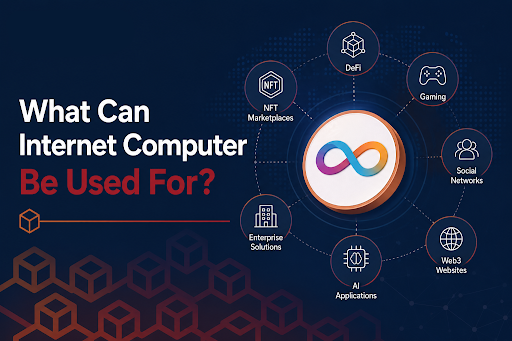
Advantages and Limitations of Internet Computer
Internet Computer introduces several technical innovations that distinguish it from many other blockchain platforms. At the same time, like every blockchain ecosystem, it also faces challenges related to adoption, competition, and technological complexity.
Among its most significant advantages are its ability to host complete decentralized applications, its scalable architecture, and its governance model. The use of canisters, subnet blockchains, and cycle based computation enables developers to build sophisticated applications while reducing dependence on centralized cloud infrastructure.
However, Internet Computer also operates in one of the most competitive sectors of the blockchain industry. Numerous Layer 1 networks now compete for developers, users, and ecosystem growth, making long term adoption an ongoing challenge.
| Category | Advantages | Limitations |
|---|---|---|
| Application Architecture | Can host complete applications on chain. | More complex architecture than many blockchains. |
| Scalability | High scalability through subnet architecture. | Faces strong competition from Ethereum, Solana, Aptos, Sui, and others. |
| Performance | Fast transaction finality. | Adoption is still smaller than leading smart contract ecosystems. |
| Governance | Decentralized governance through the NNS. | Learning curve for developers is relatively high. |
| Operating Costs | Low operating costs through cycles. | Ecosystem growth depends on continued developer activity. |
Overall, Internet Computer offers capabilities that are difficult to find on many other blockchain networks, although its long term success will depend on continued ecosystem expansion and real world adoption.
ICP Tokenomics
The ICP token is central to the economic model of the Internet Computer network. Rather than functioning only as a payment asset, it connects governance, infrastructure, and application execution within a single ecosystem.
Unlike Bitcoin, which has a fixed maximum supply, ICP does not have a permanently capped supply. New tokens are issued to reward governance participants and node providers, while tokens are also converted into cycles to power decentralized applications. When ICP is converted into cycles, those tokens are effectively removed from circulation through a burning mechanism, helping balance token issuance over time.
Several factors influence the circulating supply of ICP, including staking participation, governance rewards, application activity, and token burning. As more decentralized applications consume computational resources, demand for cycles may also increase.
The tokenomics model was designed to encourage long term participation while supporting continuous network development instead of relying on a fixed supply model.
Is Internet Computer Secure?
Security is one of the core design principles of Internet Computer. The network combines advanced cryptography, decentralized governance, and distributed infrastructure to protect both user data and application integrity.
Transactions and application execution are validated by independent nodes operating across multiple data centers. Rather than depending on a single operator, the network distributes responsibility among numerous participants, reducing the likelihood that one organization could manipulate the blockchain or interrupt network operations.
The Network Nervous System also contributes to security by coordinating protocol upgrades and infrastructure management through decentralized governance. Instead of relying on manual intervention by a central authority, many operational decisions are handled automatically according to governance proposals approved by ICP holders.
Like every blockchain network, Internet Computer is not completely free from risks. Software vulnerabilities, smart contract bugs, governance disputes, or broader cybersecurity threats remain possible. However, the protocol was specifically designed to minimize single points of failure and improve the resilience of decentralized applications.
Internet Computer Price History
ICP attracted significant attention when it launched in May 2021. Shortly after becoming available on major cryptocurrency exchanges, the token reached one of the highest market capitalizations in the industry. Its initial trading price was exceptionally volatile, reflecting both strong investor interest and limited market liquidity during the early stages of trading.
Following its launch, the broader cryptocurrency market entered a prolonged downturn, and ICP experienced a substantial decline alongside many other digital assets. Since then, the token’s price has continued to fluctuate in response to overall market conditions, ecosystem development, regulatory news, and investor sentiment.
Several factors can influence the value of ICP over time, including network adoption, developer activity, decentralized application growth, governance participation, and broader trends affecting the cryptocurrency market. Like most digital assets, ICP remains subject to significant price volatility.
How to Buy and Store ICP
ICP is available on many of the world’s largest cryptocurrency exchanges. After purchasing the token, users can either keep it on an exchange or transfer it to a compatible wallet for greater control over their assets.
Several storage options are available depending on individual preferences and security requirements. Long term investors often prefer self custody solutions, while active traders may choose to leave funds on an exchange for easier access.
Common storage options include:
- Hardware wallets that keep private keys offline for maximum security.
- Software wallets designed specifically for Internet Computer or compatible multi asset wallets.
- Exchange wallets that provide convenient access for trading but require trust in the exchange.
- Official ecosystem wallets that support staking, governance participation, and interaction with decentralized applications.
Regardless of the storage method, users should always protect their recovery phrases, enable two factor authentication where available, and verify wallet addresses carefully before sending