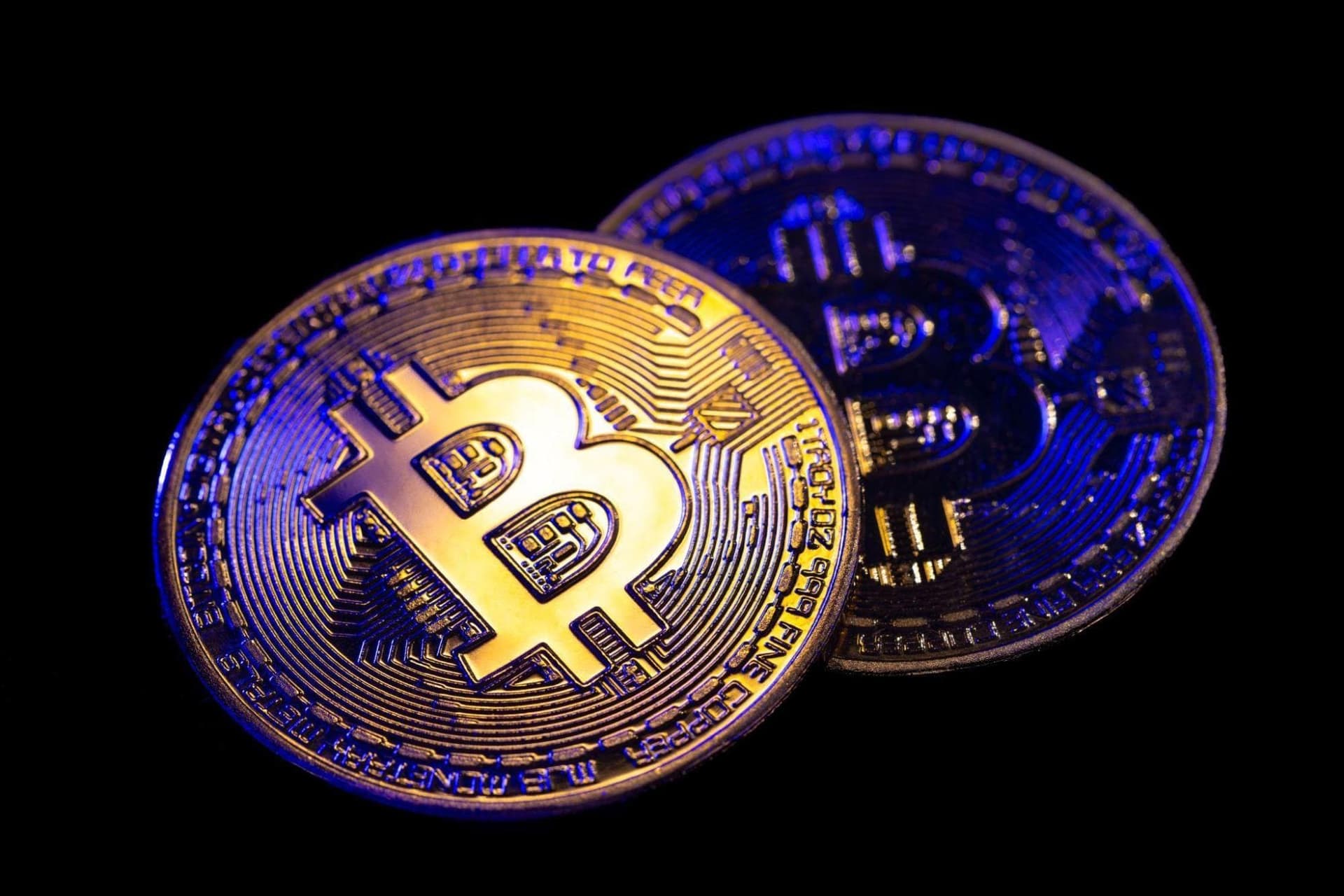
Bitcoin is a digital currency that allows people to send and receive money over the internet without using banks or other financial intermediaries. It exists only in electronic form and is based on open source technology. Bitcoin can be used for payments, savings, and value transfers across borders.
Bitcoin was created in 2009 as a response to problems in the traditional financial system. After the global financial crisis of 2008, trust in banks and centralized institutions declined. Bitcoin was designed to give users more control over their money by removing the need for a central authority. Instead, transactions are verified by a decentralized network of computers.
One of the key ideas behind Bitcoin is financial independence. Anyone with internet access can use Bitcoin, regardless of location or banking status. Transactions are transparent, resistant to censorship, and recorded on a public system called the blockchain.
Bitcoin is discussed worldwide because it introduced a completely new way to think about money. It was the first successful cryptocurrency and remains the most well known and widely adopted digital asset. Today, Bitcoin is often described as digital gold and is seen both as a payment method and as a long term store of value.
Using Cryptocurrency for Digital Purchases at Baxity Store
Baxity Store is a digital store focused on making everyday online purchases more accessible through cryptocurrency. Instead of interacting directly with complex blockchain services, users can use crypto to buy digital products such as gift cards, prepaid cards. This model allows cryptocurrency to be used in a practical and familiar way, similar to traditional online shopping.
Baxity Store also offers a selection of crypto related cards and vouchers, including options linked to popular platforms and digital payment ecosystems. These products help users convert cryptocurrency into usable balances for subscriptions, services, and online payments. With instant delivery of digital codes and support for multiple payment methods, Baxity Store provides a convenient bridge between crypto assets and real world digital spending without unnecessary complexity.
How Does Bitcoin Work?
Bitcoin works through a decentralized network of computers called nodes. These nodes are spread around the world and work together to maintain the Bitcoin system. There is no central server or controlling organization. Instead, all participants follow the same rules defined by the Bitcoin protocol.
When someone uses Bitcoin, they interact directly with the network using a digital wallet. The network checks transactions, confirms ownership of coins, and prevents double spending without relying on banks or payment processors.
At a high level, the Bitcoin network works because of:
- A public ledger that records all transactions
- Independent computers that verify data
- Cryptography that secures ownership and transfers
Bitcoin Blockchain Explained
The blockchain is a public digital ledger that stores all Bitcoin transactions in chronological order. It is made up of blocks, where each block contains a group of verified transactions.
Every new block is linked to the previous one using cryptographic data. This creates a chain of blocks that cannot be changed without rewriting all following blocks, which would require enormous computing power.
The Bitcoin blockchain is considered reliable because:
- It is shared across thousands of computers
- All records are publicly verifiable
- Past data cannot be easily altered
This structure makes the system transparent and highly resistant to fraud.
Bitcoin Transactions
A Bitcoin transaction happens when one user sends BTC from their wallet to another wallet. Each transaction includes the sender’s address, the recipient’s address, and the amount being sent.
The process works step by step:
- A user creates a transaction using their wallet
- The transaction is broadcast to the Bitcoin network
- Nodes check if the sender has enough BTC
- Miners include the transaction in a new block
- The block is added to the blockchain after confirmation
Once confirmed, a Bitcoin transaction cannot be reversed. This is why accuracy is important when sending BTC. The confirmation process ensures that all transfers are valid and securely recorded on the blockchain.
Who Created Bitcoin?
Bitcoin was created by a person or group using the name Satoshi Nakamoto. This name first appeared in 2008, when the Bitcoin whitepaper was published, explaining how the system works. In 2009, the Bitcoin network was launched, and the first bitcoins were mined.
The real identity of Satoshi Nakamoto has never been revealed. No verified personal information exists, and all communication was done online through emails and forums. In 2011, Satoshi disappeared from public discussion and stopped contributing to the project.
There are several reasons why Satoshi’s identity remains unknown:
- The name is believed to be a pseudonym
- Privacy helps keep Bitcoin decentralized
- Anonymity prevents personal influence over the network
Today, Bitcoin continues to operate without its creator. This absence is often seen as proof that Bitcoin is truly independent and not controlled by any individual.
What Is Bitcoin Mining?
Bitcoin mining is the process that keeps the Bitcoin network running and secure. Miners use powerful computers to verify transactions and add them to the blockchain. In return for this work, miners receive newly created bitcoins and transaction fees.
Mining plays a critical role in Bitcoin because it replaces the need for a central authority. Instead of banks confirming transactions, miners compete to solve complex mathematical problems. The first miner to solve the problem earns the right to create a new block and receive a reward.
This system is called Proof of Work. It requires real computational effort and electricity, which makes attacks on the network extremely expensive. Proof of Work ensures that transactions are valid and that no one can easily manipulate the blockchain.
Bitcoin mining also controls how new bitcoins are issued. The total supply of Bitcoin is limited, and new BTC enters circulation only through mining. Over time, the reward for mining is reduced through a process known as halving. This mechanism slows down the creation of new coins and supports scarcity.
Below is a simple overview of how Bitcoin mining works and how halving affects the network:
| Concept | Description |
|---|---|
| Bitcoin Mining | Process of validating transactions and adding them to the blockchain |
| Miners | Network participants who use computing power to secure Bitcoin |
| Proof of Work | Algorithm that requires solving complex calculations to create blocks |
| Block Reward | New bitcoins given to miners for each confirmed block |
| Bitcoin Halving | Event that cuts the block reward in half approximately every four years |
| Supply Limit | Maximum of 21 million bitcoins that can ever exist |
As mining rewards decrease over time, transaction fees become more important. This design helps ensure that the Bitcoin network remains secure and operational in the long term.
How Many Bitcoin Exist?
The total supply of Bitcoin is limited to 21 million BTC. This limit is written into the Bitcoin code and cannot be changed without agreement from the entire network. New bitcoins are created only through mining and the rate of creation decreases over time.
The supply cap is important because it makes Bitcoin scarce and predictable. Unlike traditional currencies, Bitcoin cannot be printed or expanded by governments or central banks.
Key reasons why the 21 million limit matters:
- It protects Bitcoin from inflation
- It creates digital scarcity
- It increases long term supply transparency
- It supports Bitcoin’s role as a store of value
Because of this fixed supply, many people compare Bitcoin to gold and view it as digital gold in the modern financial system.
What Is a Bitcoin Wallet?
A Bitcoin wallet is a tool that allows users to store, send, and receive BTC. It does not store bitcoins directly. Instead, it stores the private keys that give access to the coins recorded on the blockchain. Without a wallet, it is not possible to use Bitcoin.
Types of Bitcoin Wallets
Bitcoin wallets come in several forms, each with different levels of convenience and security.
Hot wallets
- Connected to the internet
- Easy to use for daily transactions
- Higher risk of hacking
Cold wallets
- Not connected to the internet
- Used for long term storage
- Much more secure
Hardware wallets
- Physical devices designed to store private keys
- Keep keys offline even when connected to a computer
- Popular for holding large amounts of BTC
Software wallets
- Apps or programs installed on phones or computers
- Can be hot or cold depending on setup
- Good balance between usability and control
How Bitcoin Wallets Work
Bitcoin wallets work by managing private keys. A private key is a secret code that proves ownership of BTC. When a transaction is sent, the wallet uses the private key to sign it and authorize the transfer.
This is why the phrase "not your keys, not your coins" is so important. It means that if you do not control your private keys, you do not truly control your Bitcoin. When BTC is stored on exchanges or third party platforms, the platform holds the keys, not the user.
For full ownership and security, controlling your own private keys is essential.
How Can You Get Bitcoin?
There are several ways to get Bitcoin, depending on your goals and resources. The most common option is buying BTC with fiat money such as USD or EUR, or exchanging other cryptocurrencies for it. This method is fast and widely available through many online platforms.
Bitcoin can also be earned as payment for goods or services. Some businesses, freelancers, and digital services accept BTC directly, allowing people to receive Bitcoin without purchasing it first.
Another option is mining, which is the process of creating new bitcoins by securing the network. Today, mining has become complex and expensive. It requires specialized equipment, high electricity costs, and constant maintenance, making it less accessible for individual users.
What Is Bitcoin Used For?
Bitcoin is used in several ways, depending on how people choose to interact with digital money. It can function as a payment method, an investment asset, and a tool for online transactions.
Bitcoin can be used to pay for goods and services at businesses that accept BTC. This includes online stores, digital platforms, and some physical locations. Payments are made directly from one wallet to another without banks or intermediaries.
Many people use Bitcoin as an investment and long term store of value. Because its supply is limited and predictable, Bitcoin is often compared to gold and referred to as digital gold. Investors see it as a hedge against inflation and traditional financial uncertainty.
Bitcoin is also widely used for online payments and digital services. It allows users to send money globally, often faster and with fewer restrictions than traditional payment systems.
Common uses of Bitcoin include:
- Paying for products and services
- Holding BTC as a long term investment
- Making international transfers
- Paying for online subscriptions and digital services
These use cases show why Bitcoin remains one of the most flexible and widely adopted cryptocurrencies in the world.
Why Is Bitcoin Valuable?
Bitcoin has value because people trust it and are willing to use it as money or a store of value. Unlike traditional currencies, its value is not set by a central authority but formed by the market.
One of the main factors is limited supply. Only 21 million bitcoins will ever exist, which creates scarcity and protects Bitcoin from inflation caused by unlimited issuance.
Demand also plays a major role in Bitcoin’s price. As more individuals, businesses, and investors use BTC, demand increases. Higher demand combined with limited supply can push the value upward.
Decentralization is another key reason for Bitcoin’s value. The network is not controlled by governments, banks, or companies. This independence makes Bitcoin attractive to users who want financial freedom and censorship resistance.
User trust is essential for Bitcoin’s success. People trust the system because transactions are transparent, rules are predictable, and the network has operated securely for many years. This trust supports long term adoption and market value.
Is Bitcoin Safe?
Bitcoin is considered secure at the network level, but using it safely also depends on user behavior. The system is designed to protect transactions and ownership, yet risks still exist.
Bitcoin security is based on blockchain technology and cryptography. The blockchain is shared across thousands of computers worldwide, which makes it extremely difficult to alter past transactions. To change records, an attacker would need to control most of the network’s computing power, which is unrealistic in practice.
Bitcoin also involves certain risks that users should understand:
- Price volatility can lead to sudden value changes
- Lost private keys mean permanent loss of access
- Scams and fraudulent platforms can target users
- Irreversible transactions leave no room for mistakes
When proper security practices are followed, Bitcoin can be used safely. Understanding both its strengths and risks helps users make informed decisions when holding or using BTC.
Bitcoin Pros and Cons
Bitcoin has both strengths and weaknesses that should be considered before using or investing in it. Its design offers unique benefits, but it also comes with limitations.
Advantages of Bitcoin
- Decentralization that removes control from banks and governments
- Global transfers without relying on traditional payment systems
- Limited supply that prevents uncontrolled inflation
Disadvantages of Bitcoin
- High price volatility that can affect value quickly
- Slower transaction speeds compared to some newer networks
- High energy consumption due to the mining process
Understanding these pros and cons helps users decide whether Bitcoin fits their financial goals and risk tolerance.
Bitcoin vs Traditional Money
Bitcoin and traditional money such as USD or EUR work in very different ways. Traditional currencies are issued and controlled by central banks, while Bitcoin operates on a decentralized network without a central authority.
Fiat money can be printed or expanded based on government and central bank policies. This can lead to inflation over time. Bitcoin, in contrast, has a fixed supply, which makes its issuance predictable and transparent.
Transactions with traditional money often require banks or payment processors and may involve fees, delays, or geographic restrictions. Bitcoin transactions are sent directly between users and can be made globally without intermediaries.
Another key difference is control. With fiat currencies, funds can be frozen or restricted by institutions. Bitcoin gives users direct control over their funds through private keys. These differences explain why Bitcoin is often seen as an alternative to traditional money rather than a replacement.
Is Bitcoin Legal?
The legal status of Bitcoin varies from country to country. In many regions, Bitcoin is legal to own, buy, and sell, but it is regulated under financial or tax laws. Countries such as the United States, Canada, and most of Europe allow Bitcoin use while requiring exchanges and service providers to follow compliance rules.
In some countries, Bitcoin is restricted or partially banned. This may include limits on trading, payments, or banking services related to cryptocurrencies. A smaller number of countries have imposed strict bans on Bitcoin use, often due to concerns about financial stability or capital control.
There are also countries that openly support Bitcoin and blockchain innovation. In these places, Bitcoin is recognized as a digital asset or legal payment method, with clear regulations in place.
Because laws can change, users should always check local regulations before using Bitcoin. Legal treatment often affects taxation, reporting requirements, and how BTC can be used within a specific jurisdiction.
The Future of Bitcoin
The future of Bitcoin depends on technology, regulation, and global adoption. As the first and most established cryptocurrency, Bitcoin continues to play a key role in shaping the digital finance landscape.
One possible scenario is wider adoption as a store of value. Many individuals and institutions already view Bitcoin as digital gold, using it to protect wealth over the long term. This role may strengthen as trust in traditional financial systems changes.
Bitcoin may also continue to grow as a global payment and settlement layer. Improvements in supporting technologies and infrastructure could make transactions faster and more accessible, especially for international transfers.
At the same time, Bitcoin will likely remain independent from governments and central banks. This separation is central to its identity and is why it is often seen as an alternative financial system rather than a replacement for traditional money.
Overall, Bitcoin’s future lies in its ability to balance innovation, security, and decentralization while maintaining user trust worldwide.
Bitcoin FAQ: Key Questions About BTC
What makes Bitcoin different from other cryptocurrencies?
Bitcoin stands out because it was the first successful cryptocurrency and set the foundation for the entire market. Its design focuses on simplicity, security, and decentralization rather than advanced features. Unlike many newer projects, Bitcoin does not rely on complex smart contracts or frequent protocol changes. This conservative approach reduces technical risk and increases long term stability. Bitcoin’s network is also the largest and most secure in the crypto space. These factors make Bitcoin a benchmark for evaluating other digital assets.
Can Bitcoin be used anonymously?
Bitcoin is often described as private, but it is not fully anonymous. All transactions are recorded on a public blockchain, meaning anyone can view transaction data and wallet addresses. However, wallet addresses are not directly linked to real world identities by default. Privacy depends on how users manage their wallets and transactions. Using regulated platforms can reduce privacy due to identity verification. For this reason, Bitcoin is better described as pseudonymous rather than anonymous.
Why is Bitcoin considered a hedge against inflation?
Bitcoin is seen as an inflation hedge because its supply is fixed and predictable. Traditional currencies can lose value when more money is created, while Bitcoin’s issuance follows strict rules. This makes BTC attractive during periods of high inflation or economic uncertainty. Some investors use Bitcoin to diversify their portfolios and reduce reliance on fiat currencies. While its price can fluctuate, the long term supply structure remains unchanged. This scarcity is central to Bitcoin’s monetary model.
Is Bitcoin suitable for everyday use?
Bitcoin can be used for everyday payments, but it is not always the most practical option. Transaction fees and confirmation times can vary depending on network activity. Many users prefer Bitcoin for larger transfers or long term holding rather than daily spending. In some cases, second layer solutions and payment services improve usability. Adoption also depends on whether merchants accept BTC. As infrastructure improves, everyday use may become more common.
What role does Bitcoin play in the global economy?
Bitcoin plays a growing role as a global, borderless financial asset. It allows value to be transferred without relying on traditional banking systems. This is especially important in regions with limited financial access or unstable currencies. Bitcoin also influences discussions about digital money and monetary policy worldwide. Governments, institutions, and companies closely watch its development. As a result, Bitcoin has become part of the broader conversation about the future of finance.
Does Bitcoin still have room to grow?
Bitcoin continues to evolve despite being more than a decade old. Its adoption is still limited compared to traditional financial systems. New users, institutions, and use cases can increase its relevance over time. Technological improvements and regulatory clarity may also support growth. At the same time, Bitcoin’s core principles remain unchanged. This balance between maturity and potential is what keeps global interest strong.


Comments
Sign in to join the conversation. Every comment is reviewed before it appears on the page.
Sign in to comment
You need an account to leave a comment. Sign in and your name will be used automatically.
No comments yet. Be the first to write one.